
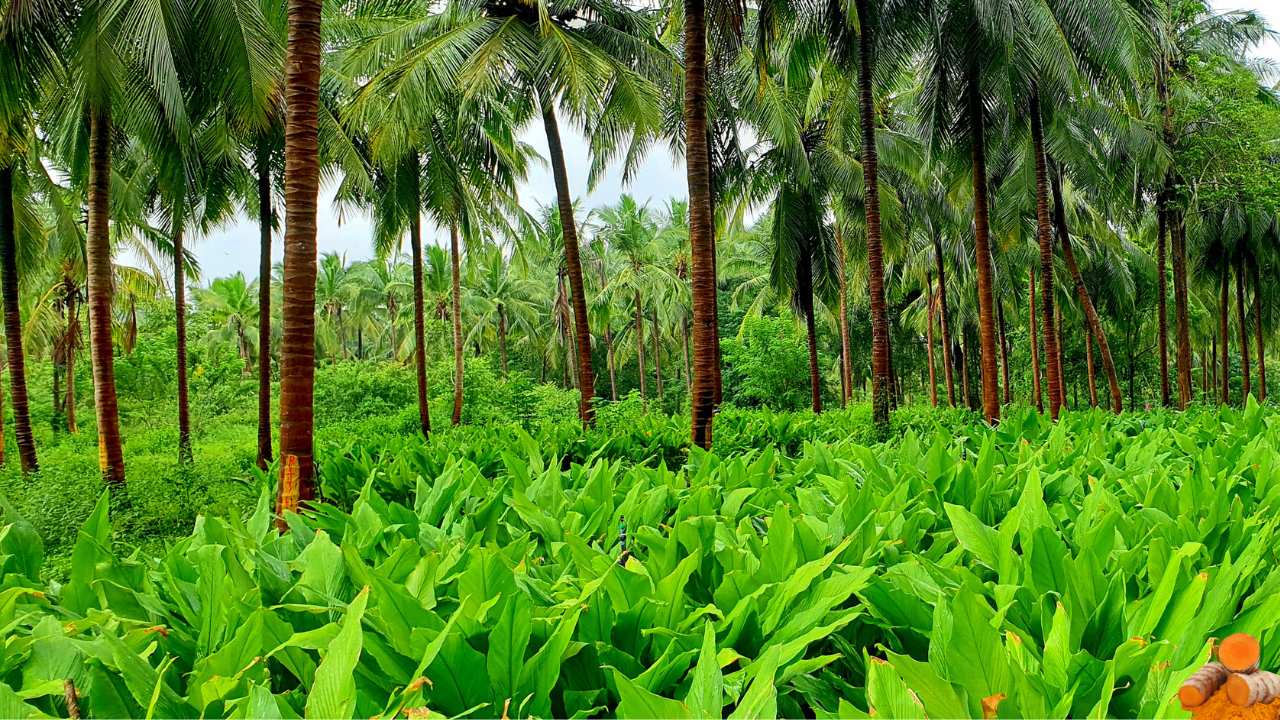
India, a land with a rich agricultural heritage, is globally renowned for its turmeric. This golden spice, a staple in kitchens and traditional medicine, is meticulously cultivated across the country. While Meghalaya’s Lakadong variety is famed for its high curcumin content, other regions, like Andhra Pradesh and Maharashtra, nurture their own champion varieties. The journey of turmeric from a humble rhizome to a final product ready for use is a testament to the dedication of farmers and the age-old agricultural practices passed down through generations.
Turmeric cultivation typically begins with the onset of the monsoon season. Farmers carefully select healthy, well-developed rhizomes as seed material, often treating them with bio-fungicides for a strong start. These are planted in well-prepared, well-drained soil rich with organic matter. Turmeric is a slow-growing crop, taking approximately seven to nine months to mature. Throughout this period, the plants are diligently watered and mulched to retain moisture and suppress weeds. The vibrant green leaves absorb sunlight, converting it into the precious curcumin stored in the underground rhizomes.
The final quality of turmeric—its vibrant colour, potent aroma, and high curcumin content—is determined by the meticulous care taken during every stage of its long cultivation and post-harvest journey.
The Crucial Post-Harvest Process
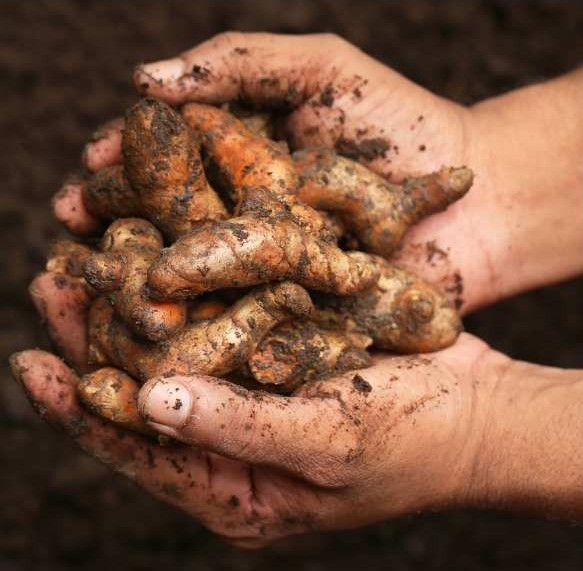
The journey doesn’t end when the turmeric is harvested. The post-harvest process is critical for ensuring high-quality, long-lasting turmeric. After manual harvesting, the rhizomes are cleaned and then undergo curing, a process where they are boiled to inactivate enzymes that could degrade curcumin. This step makes the turmeric more resistant to pests and disease. Following curing, the rhizomes must be thoroughly dried to prevent Mould and quality loss. While sun drying is a common traditional method, controlled methods like solar tunnel driers are preferred for consistent results. The final dried rhizomes are then polished for appearance before being sold whole or as a powder.
Overcoming Challenges and Ensuring Quality
The turmeric market, while economically significant, has long been challenged by a lack of quality control. In past years, buyers have faced difficulties due to inconsistent curcumin levels, adulteration, and the presence of foreign matter, which is often a result of a highly manual and labour-intensive sorting and grading process. These inconsistencies lead to unreliable quality and can compromise consumer trust. Ensuring uniformity in colour, size, and purity is a key step that, if not done properly, can lead to significant economic losses for producers and a lack of confidence for buyers.
Ingreens is addressing these challenges head-on by championing the cultivation of high-quality turmeric in the states of Andhra Pradesh and Maharashtra. The company’s efforts focus on promoting standardized agricultural practices and providing farmers with the knowledge and tools to ensure product integrity from farm to market. By supporting a systematic approach to cultivation, curing, and processing, Ingreens is helping to build a more transparent and reliable supply chain, benefiting both farmers and consumers.