In a world increasingly concerned with food safety and sustainability, the demand for organic food is on the rise. But have you ever wondered what it takes to produce food that is truly free from harmful chemicals? It’s a journey that demands dedication, meticulous effort, and a deep respect for the balance of nature. This blog will take you through the rigorous process of organic food cultivation, highlighting the essential steps that bring you food that is both nutritious and safe.
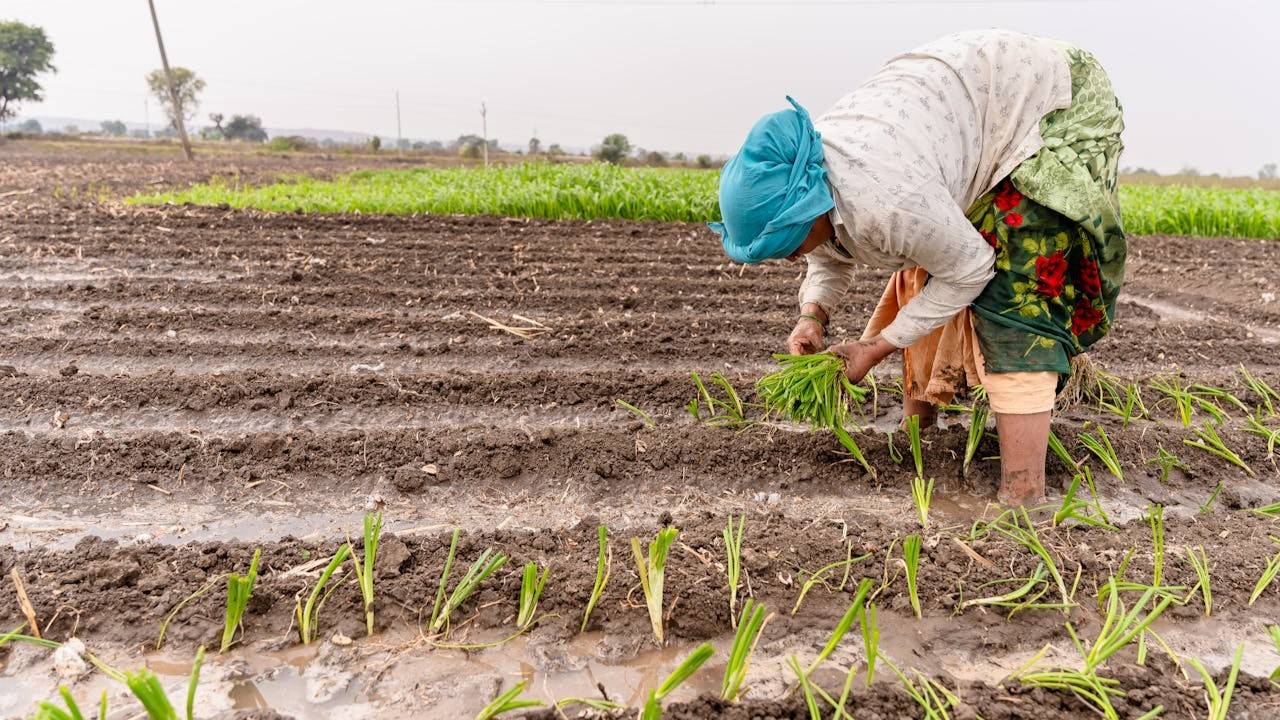
The shift from conventional to certified organic farmland isn’t an overnight process; it requires patience and a complete change in farming practices. The journey begins with a mandatory conversion period, which typically lasts two to three years. During this time, farmers must strictly follow organic standards, even though their produce can’t yet be labelled as such. A crucial part of this transition is empowering farmers with knowledge. They receive training in natural pest management, soil health improvement through composting, and water conservation. This education helps them move away from synthetic inputs and embrace ecological farming methods.
To ensure strict adherence to organic standards, farmers often form Internal Control Systems (ICS) groups. These are self-governing bodies that monitor organic practices among their members, fostering peer learning and shared responsibility. Furthermore, a detailed paper trail is essential; farmers meticulously document every aspect of their operation, from seed sources to harvesting details. This strict record-keeping ensures traceability and allows certification bodies to verify compliance.
Ultimately, Ingreens goal is to work with nature, not against it, by using organic inputs like bio-pesticides and beneficial insects to manage pests, while completely prohibiting synthetic chemicals.
From Seed to a Safe Harvest: A Holistic Commitment to Purity
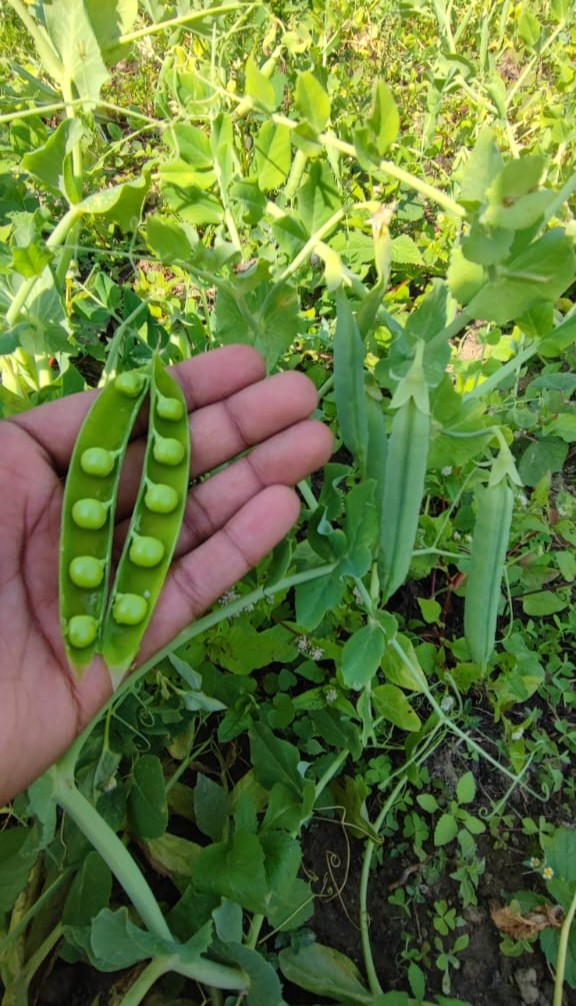
The dedication to producing safe food extends far beyond the farm. It is a holistic commitment that begins with the very first step: the seed. Organic farmers prioritize using certified organic seeds that have not been treated with synthetic chemicals, ensuring a clean start. Throughout the entire growth cycle, rigorous monitoring and inspections are performed, including checks for pests, assessments of soil health, and water quality tests.
Just before the final produce reaches the consumer, it undergoes strict laboratory testing to detect any residues of synthetic pesticides, heavy metals, or other contaminants. This final verification step guarantees the integrity of the organic certification and consumer safety.
This commitment also offers benefits that extend beyond safe food. It is a practice of environmental stewardship. By reducing the use of synthetic inputs, organic farming protects water sources from contamination, supports local wildlife, and helps reduce greenhouse gas emissions. It also creates a safer working environment for farmers, who are no longer exposed to hazardous chemicals, and contributes to the economic well-being of their communities. This approach nourishes the entire ecosystem, leading to healthier soil, which in turn improves soil structure, water retention, and biodiversity.
Ingreens' Contribution to a Safer Tomorrow
Ingreens is deeply committed to this goal by actively implementing a comprehensive strategy that combines traditional agricultural knowledge with modern technology. The company focuses on training farmers in best organic practices, building a strong network of farmer communities. Through the use of Internal Control Systems (ICS), Ingreens ensures strict adherence to organic standards and promotes collective responsibility and learning among its members. The company also employs a rigorous system of documentation and quality testing, overseeing every step from seed selection to the final produce to guarantee it is free from harmful chemicals. This commitment to nurturing the soil, protecting the environment, and prioritizing the health of farmers and consumers is at the core of Ingreens’ mission to bring delicious, safe, and sustainably produced food to the market.